01.08.2026
How to Choose the Right Custom Packaging for Your Product | Complete B2B Guide
How to Choose the Right Custom Packaging for Your Product
Table of Contents
- Introduction
- Quick Answer
- Why Custom Packaging Matters
- Understanding Your Product Requirements
Choosing the right custom packaging is one of the most important decisions for any business that sells physical products. Packaging is far more than a protective box—it represents your brand, influences customer perception, improves logistics, supports marketing efforts, and directly impacts purchasing decisions.
Whether you manufacture food products, cosmetics, electronics, luxury goods, or e-commerce items, your packaging serves as the first physical interaction customers have with your company. A professionally designed package communicates quality, builds trust, and creates memorable unboxing experiences that encourage repeat purchases.
Today's buyers expect packaging to do much more than protect products during shipping. They want sustainable materials, premium printing, functional designs, and packaging that reflects the values of the brands they support. Businesses that invest in well-designed custom packaging often experience stronger brand recognition, improved customer loyalty, and higher perceived product value.
For B2B companies, selecting the right packaging partner is equally important. The right manufacturer can help optimize production costs, recommend suitable materials, improve structural designs, and ensure consistent quality across every order.
This guide explains every step of choosing custom packaging—from identifying your product requirements to selecting materials, printing methods, finishes, and sustainable solutions. Whether you're launching a new product or redesigning existing packaging, you'll learn how to make informed decisions that benefit both your customers and your business.
Whether you manufacture food products, cosmetics, electronics, luxury goods, or e-commerce items, your packaging serves as the first physical interaction customers have with your company. A professionally designed package communicates quality, builds trust, and creates memorable unboxing experiences that encourage repeat purchases.
Today's buyers expect packaging to do much more than protect products during shipping. They want sustainable materials, premium printing, functional designs, and packaging that reflects the values of the brands they support. Businesses that invest in well-designed custom packaging often experience stronger brand recognition, improved customer loyalty, and higher perceived product value.
For B2B companies, selecting the right packaging partner is equally important. The right manufacturer can help optimize production costs, recommend suitable materials, improve structural designs, and ensure consistent quality across every order.
This guide explains every step of choosing custom packaging—from identifying your product requirements to selecting materials, printing methods, finishes, and sustainable solutions. Whether you're launching a new product or redesigning existing packaging, you'll learn how to make informed decisions that benefit both your customers and your business.
If you're looking for the fastest way to choose the right custom packaging, follow these essential steps:
While these steps seem straightforward, each decision affects durability, customer experience, manufacturing costs, and long-term brand value. The following sections explain each factor in detail.
- Identify your product's size, weight, and protection requirements.
- Select a packaging material suitable for your industry.
- Choose a box style that balances functionality and presentation.
- Design packaging that reflects your brand identity.
- Select printing and finishing techniques based on your marketing goals.
- Consider eco-friendly materials whenever possible.
- Work with an experienced packaging manufacturer to optimize costs and production.
While these steps seem straightforward, each decision affects durability, customer experience, manufacturing costs, and long-term brand value. The following sections explain each factor in detail.
Why Custom Packaging Matters
Many businesses underestimate the influence packaging has on purchasing decisions. In reality, packaging often determines whether customers perceive a product as premium, trustworthy, or worth its price.
Packaging Is Your Silent Salesperson
Before customers experience your product, they experience its packaging.
A well-designed package immediately communicates professionalism, attention to detail, and quality. Even without opening the box, customers begin forming opinions about your brand.
High-quality packaging helps businesses:
For many premium brands, packaging is considered part of the product rather than simply a shipping container.
A well-designed package immediately communicates professionalism, attention to detail, and quality. Even without opening the box, customers begin forming opinions about your brand.
High-quality packaging helps businesses:
- Build brand recognition
- Increase perceived product value
- Differentiate products from competitors
- Improve customer satisfaction
- Encourage repeat purchases
- Generate social media exposure through unboxing experiences
For many premium brands, packaging is considered part of the product rather than simply a shipping container.
Protection Throughout the Supply Chain
One of packaging's primary functions is protecting products during transportation and storage.
Products may experience:
Choosing inappropriate materials can result in damaged goods, customer complaints, product returns, and increased logistics costs.
Proper structural packaging minimizes these risks while reducing unnecessary material usage.
Products may experience:
- vibration during shipping,
- stacking pressure,
- humidity,
- temperature changes,
- accidental drops,
- warehouse handling.
Choosing inappropriate materials can result in damaged goods, customer complaints, product returns, and increased logistics costs.
Proper structural packaging minimizes these risks while reducing unnecessary material usage.
Packaging Supports Marketing
Every package represents an opportunity to reinforce your marketing message.
Effective packaging includes consistent branding through:
Rather than spending additional advertising budget, businesses can use packaging itself as a long-term marketing asset.
Effective packaging includes consistent branding through:
- company logo,
- brand colors,
- typography,
- messaging,
- product information,
- QR codes,
- social media links,
- promotional offers.
Rather than spending additional advertising budget, businesses can use packaging itself as a long-term marketing asset.
Better Customer Experience
Unboxing has become part of the customer journey.
Premium packaging creates emotional engagement by combining:
These details encourage customers to share their purchases online, creating valuable user-generated content that strengthens brand awareness.
Premium packaging creates emotional engagement by combining:
- attractive design,
- tactile materials,
- protective inserts,
- organized presentation,
- easy opening,
- reusable components.
These details encourage customers to share their purchases online, creating valuable user-generated content that strengthens brand awareness.
Packaging Improves Operational Efficiency
Well-designed packaging doesn't only benefit customers—it also improves business operations.
Optimized packaging reduces:
For companies shipping thousands of products each month, even small packaging improvements can significantly reduce operating expenses.
Optimized packaging reduces:
- shipping costs,
- storage requirements,
- assembly time,
- material waste,
- product damage,
- fulfillment errors.
For companies shipping thousands of products each month, even small packaging improvements can significantly reduce operating expenses.
Understanding Your Product Requirements
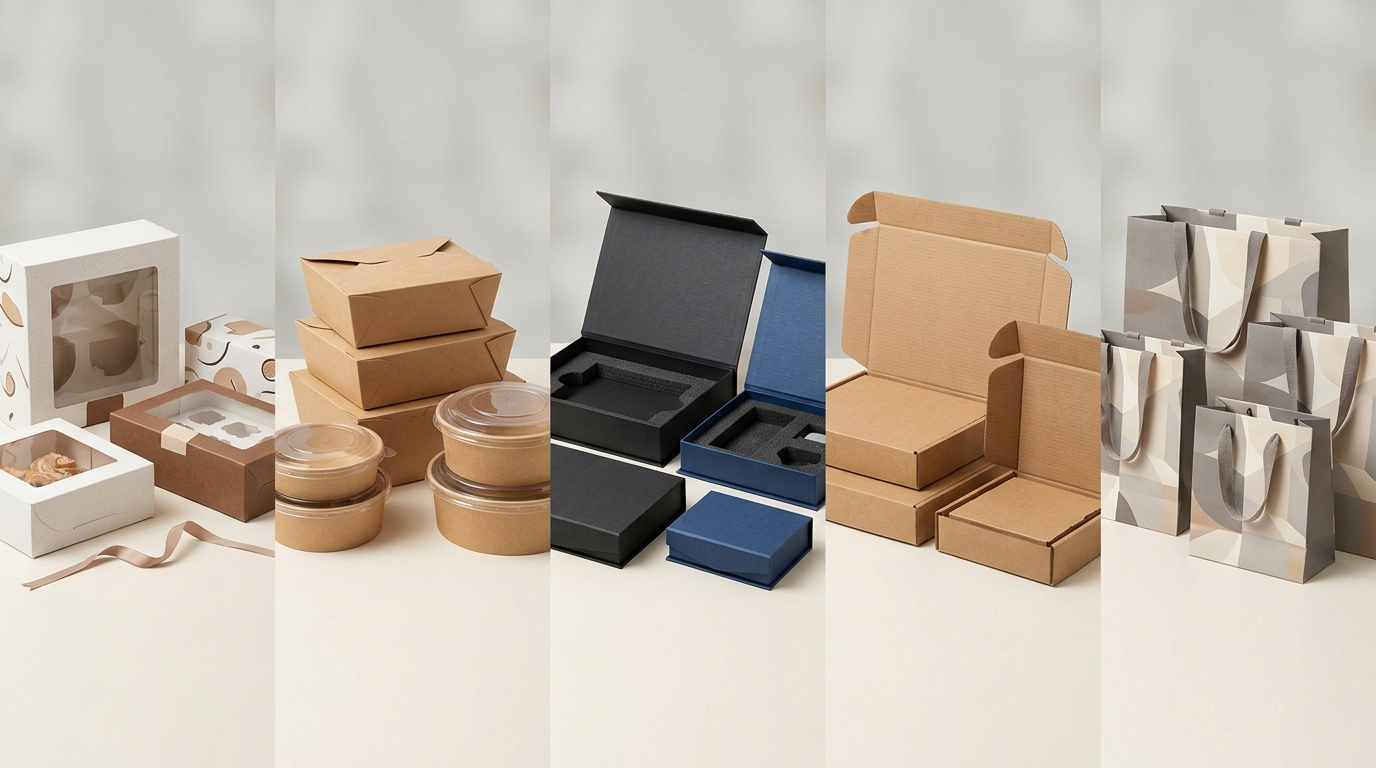
Selecting packaging begins with understanding the product itself. Every packaging decision should support the product's physical characteristics, transportation requirements, and customer expectations.
Product Size
Packaging should closely match product dimensions.
Oversized boxes increase:
Packaging that fits correctly protects products while minimizing waste.
Oversized boxes increase:
- shipping costs,
- material usage,
- environmental impact,
- risk of product movement.
Packaging that fits correctly protects products while minimizing waste.
Product Weight
Lightweight products require different materials than heavy items.
For example:
For example:
Choosing materials based on weight improves durability while avoiding unnecessary expenses.
Fragility
Products made from glass, ceramics, electronics, or luxury materials require additional protection.
Protective options include:
These solutions minimize movement inside the package during shipping.
Protective options include:
- custom inserts,
- foam protection,
- corrugated partitions,
- molded pulp trays,
- paper cushioning,
- PET trays.
These solutions minimize movement inside the package during shipping.
Industry Requirements
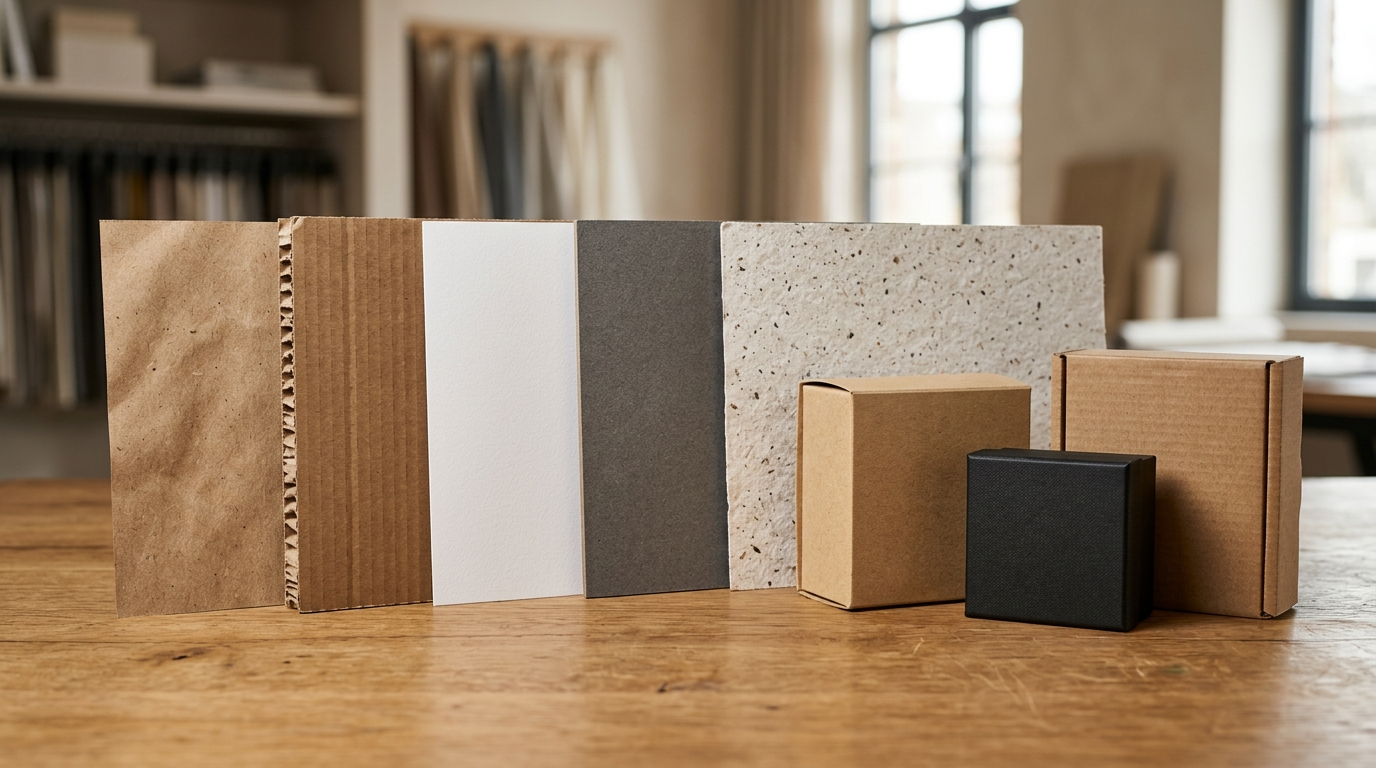
Every industry has unique packaging expectations.
Food Packaging
Food packaging must prioritize:
Common solutions include:
takeaway containers.
- food-safe materials,
- grease resistance,
- moisture protection,
- hygiene,
- temperature resistance,
- compliance with food regulations.
Common solutions include:
- burger boxes,
- pizza boxes,
- cookie boxes,
- bakery packaging,
takeaway containers.
Cosmetics
Cosmetic packaging focuses on premium appearance and shelf appeal.
Businesses often choose:
Luxury finishes reinforce product value before customers even open the package.
Businesses often choose:
- rigid boxes,
- magnetic gift boxes,
- embossed logos,
- soft-touch lamination,
- foil stamping,
- custom inserts.
Luxury finishes reinforce product value before customers even open the package.
E-commerce
Shipping packaging emphasizes durability and efficiency.
Typical features include:
Strong e-commerce packaging reduces damage while enhancing the delivery experience.
Typical features include:
- corrugated mailer boxes,
- tamper-evident seals,
- tear strips,
- recyclable materials,
- lightweight construction,
- branded interiors.
Strong e-commerce packaging reduces damage while enhancing the delivery experience.
Retail Products
Retail packaging must stand out on crowded shelves.
Effective retail packaging includes:
Effective retail packaging includes:
- bold branding,
- clear product information,
- attractive graphics,
- window cut-outs,
- hanging options where applicable,
- premium finishes that attract attention.
Distribution Method
How products reach customers also influences packaging design.
Ask yourself:
Answering these questions early helps determine structural strength, material selection, and protective features.
Ask yourself:
- Will products ship individually?
- Will they be palletized?
- Will they travel internationally?
- Are they stored in humid environments?
- Will customers carry them home from retail stores?
Answering these questions early helps determine structural strength, material selection, and protective features.
Checklist Before Designing Custom Packaging
Before contacting a packaging manufacturer, prepare the following information:
Having these details available allows manufacturers to recommend the most efficient and cost-effective packaging solution.
- Product dimensions
- Product weight
- Product fragility
- Industry requirements
- Shipping method
- Target market
- Desired brand positioning
- Sustainability goals
- Budget expectations
- Estimated order quantity
Having these details available allows manufacturers to recommend the most efficient and cost-effective packaging solution.
Choosing the Right Packaging Material
Selecting the right packaging material is one of the most important decisions in custom packaging development. The material influences durability, printing quality, sustainability, shipping costs, and the overall customer experience.
Rather than choosing the least expensive option, businesses should evaluate packaging based on how well it protects the product while supporting their branding and operational goals.
The best packaging solution is often a balance between performance, appearance, sustainability, and cost.
Rather than choosing the least expensive option, businesses should evaluate packaging based on how well it protects the product while supporting their branding and operational goals.
The best packaging solution is often a balance between performance, appearance, sustainability, and cost.
Corrugated Paper
Corrugated paper is the most widely used packaging material in the world. It consists of one or more fluted layers sandwiched between linerboards, creating a lightweight yet highly durable structure.
Best for
- E-commerce packaging
- Shipping boxes
- Pizza boxes
- Mailer boxes
- Industrial products
- Subscription boxes
- Large retail packaging
Advantages
- Excellent impact resistance
- Lightweight for lower shipping costs
- High stacking strength
- Fully recyclable
- Available in multiple thicknesses
- Cost-effective for large production runs
Limitations
- Less suitable for luxury retail packaging without premium finishing
- Visible corrugated edges unless wrapped or laminated
Kraft Paper
Kraft paper has become increasingly popular because of its natural appearance and environmentally friendly image.
Consumers often associate kraft packaging with sustainability, handmade products, and premium organic brands.
Consumers often associate kraft packaging with sustainability, handmade products, and premium organic brands.
Best for
- Bakery packaging
- Coffee packaging
- Organic food
- Gift packaging
- Fashion accessories
Eco-conscious brands
Advantages
- Natural appearance
- Strong tear resistance
- Recyclable
- Biodegradable
- Supports eco-friendly branding
Considerations
Natural kraft colors may slightly affect printed colors compared to white-coated paper.
Cardboard (Paperboard)
Paperboard is commonly used for lightweight retail products where presentation is more important than shipping protection.
Best for
- Cosmetic boxes
- Perfume packaging
- Pharmaceutical packaging
- Electronics accessories
- Small food packaging
- Cookie boxes
Advantages
- Smooth printing surface
- Excellent color reproduction
- Suitable for luxury finishes
- Lightweight
- Easy to die-cut into custom shapes
Popular Paperboard Types
Art Paper
Art paper is primarily used as a wrapping material for rigid boxes or laminated packaging.
Its smooth coated surface produces vibrant printing and sharp graphics.
Its smooth coated surface produces vibrant printing and sharp graphics.
Ideal Applications
- Luxury gift boxes
- Premium electronics
- Jewelry packaging
- Promotional boxes
PET Plastic
PET is frequently used when transparency or moisture resistance is required.
Common Uses
- Food trays
- Window patches
- Beverage cups
- Product inserts
Benefits
- Transparent
- Durable
- Moisture resistant
- Food-safe
- Recyclable in many regions
Choosing the Right Material
Instead of asking:
"Which material is best?"
Ask:
"Which material is best for my product, budget, logistics, and brand?"
"Which material is best?"
Ask:
"Which material is best for my product, budget, logistics, and brand?"
Material
Print Quality
Durability
Sustainability
Premium Appearance
Cost
Print Quality
Durability
Sustainability
Premium Appearance
Cost
Selecting the Best Box Style
Once you've chosen the material, the next step is selecting the structural design of your packaging.
The box style determines how customers interact with your product, how efficiently products are shipped, and how much protection they receive.
The box style determines how customers interact with your product, how efficiently products are shipped, and how much protection they receive.
Folding Cartons
Folding cartons are lightweight paperboard boxes shipped flat and assembled when needed.
Best For
- Cookies
- Cosmetics
- Tea
- Pharmaceuticals
- Small retail products
Benefits
- Affordable
- Easy to print
- Compact shipping
- Fast assembly
Corrugated Mailer Boxes
Mailer boxes have become the standard for e-commerce brands.
Unlike shipping cartons, they combine protection with presentation.
Unlike shipping cartons, they combine protection with presentation.
Best For
- Subscription boxes
- Online stores
- Promotional kits
- Apparel
- Electronics
Advantages
- Excellent protection
- Premium unboxing
- Easy branding inside and outside
No additional outer box required
Rigid Boxes
Rigid boxes provide the highest level of perceived value.
Unlike folding cartons, they retain their shape permanently.
Unlike folding cartons, they retain their shape permanently.
Common Applications
- Luxury gifts
- Watches
- Jewelry
- Electronics
- High-end cosmetics
Benefits
- Premium appearance
- Exceptional durability
- Reusable by customers
- Excellent for luxury branding
Pizza Boxes
Pizza boxes require specialized structural engineering.
Good pizza packaging balances:
Modern pizza boxes can also incorporate branded printing, promotional messaging, and QR codes.
Good pizza packaging balances:
- heat retention,
- ventilation,
- grease resistance,
- stacking strength,
- food safety.
Modern pizza boxes can also incorporate branded printing, promotional messaging, and QR codes.
Cookie Boxes
Cookie packaging must balance freshness, presentation, and transportation safety.
Popular options include:
Adding a transparent window allows customers to see the product while maintaining protection.
Popular options include:
- Window cookie boxes
- Bakery takeaway boxes
- Gift cookie boxes
- Sleeve packaging
- Six-corner boxes
- Drawer-style boxes
Adding a transparent window allows customers to see the product while maintaining protection.
Burger & Fast Food Boxes
Fast-food packaging must perform under challenging conditions.
It should resist:
Structural features such as ventilation holes help maintain food quality.
It should resist:
- grease,
- moisture,
- steam,
- handling,
- transportation.
Structural features such as ventilation holes help maintain food quality.
Many businesses combine both: a branded mailer box inside a larger shipping carton for additional protection.
Packaging Design That Builds Your Brand
Packaging design is far more than decoration.
It communicates your company's personality, positioning, and values before customers ever use the product.
Great packaging tells a story.
It communicates your company's personality, positioning, and values before customers ever use the product.
Great packaging tells a story.
Consistent Brand Identity
Every package should reflect your visual identity through consistent use of:
Consistency across all packaging builds trust and makes products instantly recognizable.
- Logo
- Brand colors
- Typography
- Graphic style
- Photography or illustrations
- Tone of voice
Consistency across all packaging builds trust and makes products instantly recognizable.
Less Is Often More
One of the most common design mistakes is overcrowding packaging with unnecessary information.
Instead, prioritize a clean hierarchy:
White space improves readability and creates a premium appearance.
Instead, prioritize a clean hierarchy:
- Brand
- Product name
- Key benefit
- Supporting information
- Legal information
White space improves readability and creates a premium appearance.
Typography Matters
Packaging typography should be:
Avoid using too many font families. Most premium brands rely on one or two complementary typefaces.
- Easy to read
- Consistent
- Scalable
- Appropriate for the product category
Avoid using too many font families. Most premium brands rely on one or two complementary typefaces.
Functional Design
Good packaging is also easy to use.
Customers appreciate packaging that is:
User-friendly packaging contributes to a positive overall product experience.
Customers appreciate packaging that is:
- Easy to open
- Easy to carry
- Easy to recycle
- Easy to store
- Easy to reseal (when applicable)
User-friendly packaging contributes to a positive overall product experience.
Create an Unboxing Experience
The rise of social media has transformed unboxing into a powerful marketing tool.
Thoughtful details such as branded interiors, tissue paper, thank-you cards, custom inserts, or QR codes can make the experience more memorable and encourage customers to share it online.
Thoughtful details such as branded interiors, tissue paper, thank-you cards, custom inserts, or QR codes can make the experience more memorable and encourage customers to share it online.
Prepare Print-Ready Artwork
Before production begins, ensure your design files include:
Proper file preparation minimizes production errors and ensures consistent print quality.
- CMYK color mode
- Vector logos
- High-resolution images (300 DPI)
- Bleed and safety margins
- Die-line alignment
- Embedded or outlined fonts
Proper file preparation minimizes production errors and ensures consistent print quality.
Key Takeaways
Choosing the right packaging involves balancing material performance, structural design, and visual branding. Businesses that invest in durable materials, functional box styles, and cohesive design create packaging that not only protects products but also strengthens brand recognition and customer loyalty.
In the next section, we'll explore printing technologies, premium finishing options, sustainable packaging solutions, the production workflow, and the factors that influence packaging costs—helping you make informed decisions that maximize both quality and return on investment.
In the next section, we'll explore printing technologies, premium finishing options, sustainable packaging solutions, the production workflow, and the factors that influence packaging costs—helping you make informed decisions that maximize both quality and return on investment.
Printing, Sustainability, Production Process, Costs, Mistakes, FAQ & Conclusion
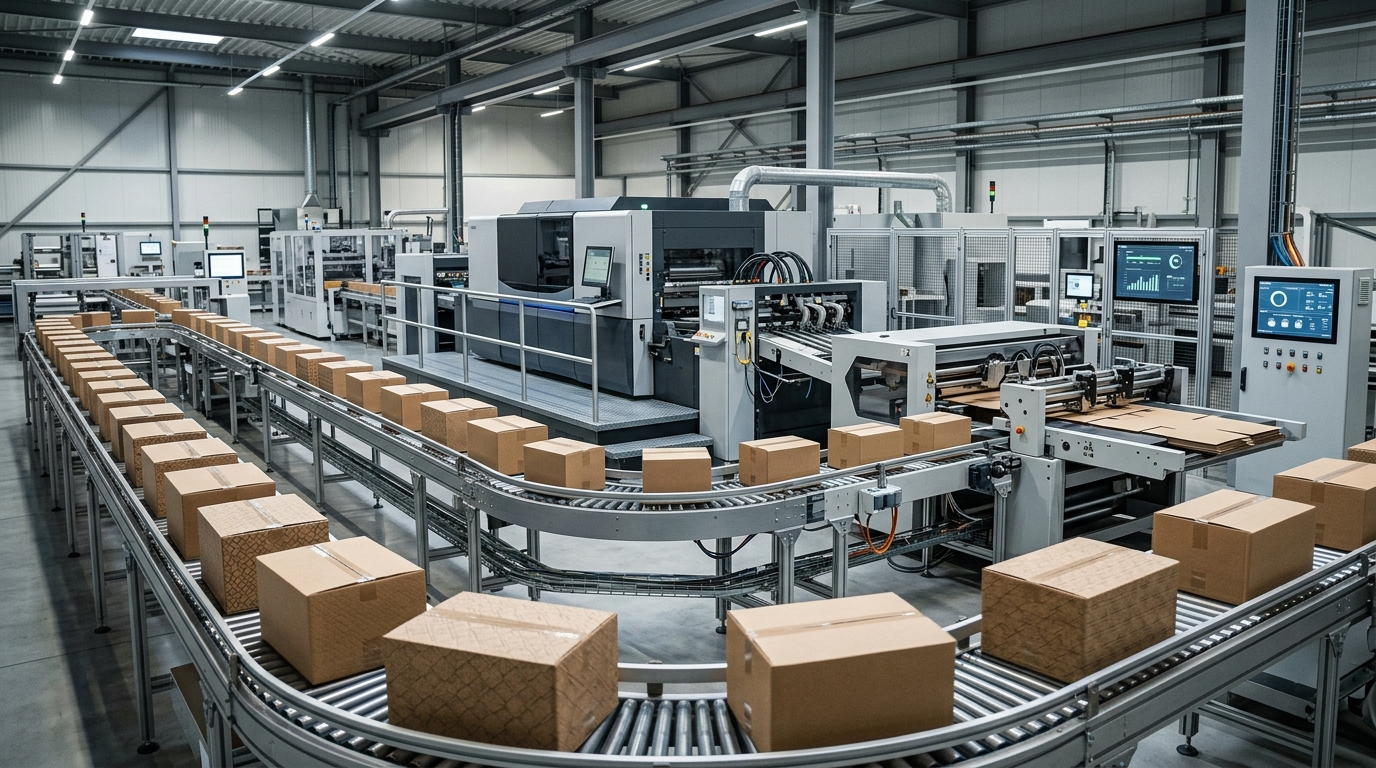
Printing and Finishing Options
Printing and finishing techniques transform ordinary packaging into a powerful branding tool. The right combination of colors, textures, and finishes can significantly improve product perception and create a premium customer experience.
When selecting printing options, businesses should consider their target audience, product positioning, production quantity, and budget.
When selecting printing options, businesses should consider their target audience, product positioning, production quantity, and budget.
Packaging Printing Methods
Offset Printing
Offset Printing
Offset printing is one of the most popular methods for high-quality packaging production.
It provides excellent color accuracy and sharp details, making it ideal for brands that require premium visual presentation.
It provides excellent color accuracy and sharp details, making it ideal for brands that require premium visual presentation.
Best for:
- Luxury packaging
- Retail boxes
- Cosmetic packaging
- Food packaging
- Large production volumes
Advantages:
- High-quality images
- Accurate brand colors
- Professional appearance
- Cost-effective for large quantities
Digital Printing
Digital printing is ideal for smaller production runs and brands that need flexibility.
Unlike traditional printing methods, digital printing does not require printing plates, making it faster for prototypes and short batches.
Unlike traditional printing methods, digital printing does not require printing plates, making it faster for prototypes and short batches.
Best for:
Flexographic printing is commonly used for corrugated packaging and large-volume production.
It is efficient, fast, and cost-effective for simple designs.
Best for:
Premium Finishing Options
Finishing techniques add texture, protection, and visual impact to packaging.
Matte Lamination
Matte lamination creates a smooth, soft surface with a sophisticated appearance.
Suitable for:
Benefits:
Gloss Lamination
Gloss lamination creates a shiny surface that enhances colors and protects the package.
Suitable for:
Benefits:
Embossing and Debossing
Embossing raises elements of the design, while debossing presses them into the material.
Common applications:
These techniques create a tactile experience and increase perceived value.
- Product testing
- Limited editions
- Small businesses
- Custom campaigns
- Lower minimum order quantities
- Faster production setup
- Easy customization
- Suitable for variable designs
Flexographic printing is commonly used for corrugated packaging and large-volume production.
It is efficient, fast, and cost-effective for simple designs.
Best for:
- Shipping boxes
- Corrugated cartons
- Large-scale packaging production
Premium Finishing Options
Finishing techniques add texture, protection, and visual impact to packaging.
Matte Lamination
Matte lamination creates a smooth, soft surface with a sophisticated appearance.
Suitable for:
- Luxury gift boxes
- Cosmetic packaging
- Premium brands
Benefits:
- Elegant appearance
- Fingerprint resistance
- Improved durability
Gloss Lamination
Gloss lamination creates a shiny surface that enhances colors and protects the package.
Suitable for:
- Food packaging
- Retail products
- Promotional packaging
Benefits:
- Bright colors
- Easy cleaning
- Strong visual impact
Embossing and Debossing
Embossing raises elements of the design, while debossing presses them into the material.
Common applications:
- Logos
- Brand names
- Decorative patterns
These techniques create a tactile experience and increase perceived value.
Foil Stamping
Foil stamping applies metallic finishes using heat and pressure.
Popular options include:
Often used for:
Spot UV Coating
Spot UV applies a glossy coating to selected areas while keeping other areas matte.
It is commonly used to highlight:
Window Cut-Outs
A packaging window allows customers to see the product without opening the box.
Popular for:
Windows improve product visibility and increase customer confidence.
Sustainable Packaging Solutions
Sustainability has become one of the most important factors in packaging decisions.
Customers, retailers, and businesses increasingly expect packaging solutions that reduce environmental impact while maintaining quality and functionality.
Why Sustainable Packaging Matters
Eco-friendly packaging helps companies:
Common Sustainable Packaging Materials
Recycled Paper Packaging
Recycled paper packaging reduces dependence on virgin materials and supports circular production systems.
Common applications:
Kraft Packaging
Kraft paper remains one of the most popular sustainable packaging choices.
Its natural appearance communicates:
Biodegradable Packaging
Some businesses choose biodegradable materials designed to break down naturally under specific conditions.
Applications include:
Minimal Packaging Design
Sustainability is not only about materials.
Reducing unnecessary layers, inserts, and oversized boxes can significantly decrease waste.
Efficient packaging design helps businesses lower:
How the Custom Packaging Process Works
Understanding the production process helps businesses plan timelines, budgets, and expectations.
A professional packaging manufacturer typically follows these steps:
Step 1: Product Analysis
The packaging supplier reviews:
This information determines the best structural solution.
Step 2: Packaging Concept Development
Design specialists create:
At this stage businesses can evaluate appearance and functionality before mass production.
Step 3: Material Selection
The manufacturer recommends suitable materials based on:
Step 4: Prototype Creation
A physical sample allows businesses to check:
Testing prototypes helps avoid costly production mistakes.
Step 5: Printing and Manufacturing
After approval, production begins.
The process may include:
Step 6: Quality Control
Before shipment, packaging should be inspected for:
Step 7: Delivery
Finished packaging is prepared according to customer requirements and shipped to the required location.
What Affects Packaging Costs?
Custom packaging prices depend on multiple factors.
Understanding these factors helps businesses create realistic budgets.
Material Choice
Premium materials increase costs but may improve product perception.
Examples:
Order Quantity
Larger production volumes usually reduce the cost per unit.
Foil stamping applies metallic finishes using heat and pressure.
Popular options include:
- Gold foil
- Silver foil
- Copper foil
- Holographic foil
Often used for:
- Luxury packaging
- Cosmetics
- Jewelry boxes
- Premium gifts
Spot UV Coating
Spot UV applies a glossy coating to selected areas while keeping other areas matte.
It is commonly used to highlight:
- Logos
- Patterns
- Product names
- Important design elements
Window Cut-Outs
A packaging window allows customers to see the product without opening the box.
Popular for:
- Cookies
- Bakery products
- Gift packaging
- Handmade products
Windows improve product visibility and increase customer confidence.
Sustainable Packaging Solutions
Sustainability has become one of the most important factors in packaging decisions.
Customers, retailers, and businesses increasingly expect packaging solutions that reduce environmental impact while maintaining quality and functionality.
Why Sustainable Packaging Matters
Eco-friendly packaging helps companies:
- Reduce environmental impact
- Improve brand reputation
- Meet retailer requirements
- Attract environmentally conscious customers
- Reduce unnecessary material usage
Common Sustainable Packaging Materials
Recycled Paper Packaging
Recycled paper packaging reduces dependence on virgin materials and supports circular production systems.
Common applications:
- Mailer boxes
- Food boxes
- Retail cartons
Kraft Packaging
Kraft paper remains one of the most popular sustainable packaging choices.
Its natural appearance communicates:
- authenticity,
- simplicity,
- environmental responsibility.
Biodegradable Packaging
Some businesses choose biodegradable materials designed to break down naturally under specific conditions.
Applications include:
- food packaging,
- takeaway containers,
- disposable packaging solutions.
Minimal Packaging Design
Sustainability is not only about materials.
Reducing unnecessary layers, inserts, and oversized boxes can significantly decrease waste.
Efficient packaging design helps businesses lower:
- material consumption,
- transportation costs,
- storage requirements.
How the Custom Packaging Process Works
Understanding the production process helps businesses plan timelines, budgets, and expectations.
A professional packaging manufacturer typically follows these steps:
Step 1: Product Analysis
The packaging supplier reviews:
- product dimensions,
- weight,
- protection requirements,
- industry standards,
- shipping conditions.
This information determines the best structural solution.
Step 2: Packaging Concept Development
Design specialists create:
- box structures,
- dielines,
- prototypes,
- visual concepts.
At this stage businesses can evaluate appearance and functionality before mass production.
Step 3: Material Selection
The manufacturer recommends suitable materials based on:
- durability requirements,
- printing needs,
- sustainability goals,
- budget.
Step 4: Prototype Creation
A physical sample allows businesses to check:
- size accuracy,
- opening experience,
- product fit,
- design appearance.
Testing prototypes helps avoid costly production mistakes.
Step 5: Printing and Manufacturing
After approval, production begins.
The process may include:
- printing,
- cutting,
- folding,
- gluing,
- lamination,
- finishing applications.
Step 6: Quality Control
Before shipment, packaging should be inspected for:
- printing accuracy,
- structural strength,
- material quality,
- color consistency,
- finishing quality.
Step 7: Delivery
Finished packaging is prepared according to customer requirements and shipped to the required location.
What Affects Packaging Costs?
Custom packaging prices depend on multiple factors.
Understanding these factors helps businesses create realistic budgets.
Material Choice
Premium materials increase costs but may improve product perception.
Examples:
- Kraft paper → affordable and sustainable
- Rigid board → premium and higher cost
- Specialty papers → unique appearance but higher price
Order Quantity
Larger production volumes usually reduce the cost per unit.
Box Structure
Simple boxes are less expensive than complex structures.
Additional features increase costs:
Printing and Finishing
Premium finishes add production costs:
However, these details often increase perceived product value.
Shipping and Logistics
Packaging costs also include:
Efficient packaging design can reduce overall supply chain expenses.
Common Mistakes to Avoid
Choosing Packaging Based Only on Price
The cheapest packaging option may create higher costs through:
Packaging should be viewed as an investment, not only an expense.
Ignoring Product Protection
Beautiful packaging that fails during transportation damages both products and reputation.
Always test packaging before large production runs.
Overcomplicating the Design
Too many colors, graphics, and messages can confuse customers.
Strong packaging usually focuses on clarity and brand consistency.
Not Considering Sustainability
Ignoring environmental expectations can negatively affect brand perception.
Modern customers increasingly prefer responsible packaging solutions.
Ordering Without Testing Samples
Skipping prototypes can lead to:
A sample order is a small investment that prevents expensive mistakes.
Frequently Asked Questions (FAQ)
What is custom packaging?
Custom packaging is specially designed packaging created according to a company's product requirements, branding, dimensions, and marketing goals.
How much does custom packaging cost?
The cost depends on material, size, quantity, printing methods, finishes, and design complexity. Larger production volumes usually reduce the cost per unit.
What is the minimum order quantity for custom boxes?
Minimum order quantities vary depending on the manufacturer and production method. Digital printing often allows smaller quantities, while traditional production usually requires larger runs.
How long does custom packaging production take?
Production timelines depend on design approval, sampling, materials, and order volume. Many projects require several weeks from concept to final delivery.
What packaging material is best for food products?
Food packaging commonly uses food-grade cardboard, kraft paper, corrugated paper, and coated materials designed for moisture and grease resistance.
How can packaging improve my brand?
Custom packaging increases brand recognition, improves customer experience, communicates quality, and helps products stand out from competitors.
Is sustainable packaging more expensive?
Not always. Efficient material choices and optimized designs can reduce costs while improving environmental performance.
Can I order custom packaging with my logo?
Yes. Most custom packaging manufacturers offer full branding options, including logo printing, colors, patterns, and premium finishes.
Should I choose stock packaging or custom packaging?
Stock packaging is cheaper and faster, while custom packaging provides stronger branding, better product fit, and improved customer experience.
How do I choose a packaging manufacturer?
Look for:
Conclusion
Choosing the right custom packaging requires careful consideration of materials, structure, design, printing, sustainability, and production requirements.
The best packaging solution is not simply the cheapest option—it is the one that protects your product, strengthens your brand, improves customer experience, and supports your business goals.
For companies competing in crowded markets, packaging has become a strategic advantage. A well-designed package can increase perceived value, encourage repeat purchases, and turn customers into brand advocates.
By working with an experienced packaging manufacturer, businesses can create solutions that combine functionality, aesthetics, sustainability, and cost efficiency.
Create Custom Packaging That Represents Your Brand
Looking for professionally designed packaging for your products?
Our team helps businesses create custom boxes and packaging solutions tailored to their industry, product requirements, and brand identity.
From food packaging and retail boxes to luxury gift packaging and e-commerce solutions, we provide complete support from concept development to final production.
Contact us today to discuss your custom packaging project and receive a personalized solution for your business.
Simple boxes are less expensive than complex structures.
Additional features increase costs:
- magnetic closures,
- inserts,
- windows,
- unusual shapes,
- multiple components.
Printing and Finishing
Premium finishes add production costs:
- foil stamping,
- embossing,
- special coatings,
- complex color printing.
However, these details often increase perceived product value.
Shipping and Logistics
Packaging costs also include:
- transportation,
- storage,
- packaging volume,
- import/export requirements.
Efficient packaging design can reduce overall supply chain expenses.
Common Mistakes to Avoid
Choosing Packaging Based Only on Price
The cheapest packaging option may create higher costs through:
- damaged products,
- poor customer experience,
- returns,
- negative reviews.
Packaging should be viewed as an investment, not only an expense.
Ignoring Product Protection
Beautiful packaging that fails during transportation damages both products and reputation.
Always test packaging before large production runs.
Overcomplicating the Design
Too many colors, graphics, and messages can confuse customers.
Strong packaging usually focuses on clarity and brand consistency.
Not Considering Sustainability
Ignoring environmental expectations can negatively affect brand perception.
Modern customers increasingly prefer responsible packaging solutions.
Ordering Without Testing Samples
Skipping prototypes can lead to:
- incorrect dimensions,
- poor material selection,
- printing issues.
A sample order is a small investment that prevents expensive mistakes.
Frequently Asked Questions (FAQ)
What is custom packaging?
Custom packaging is specially designed packaging created according to a company's product requirements, branding, dimensions, and marketing goals.
How much does custom packaging cost?
The cost depends on material, size, quantity, printing methods, finishes, and design complexity. Larger production volumes usually reduce the cost per unit.
What is the minimum order quantity for custom boxes?
Minimum order quantities vary depending on the manufacturer and production method. Digital printing often allows smaller quantities, while traditional production usually requires larger runs.
How long does custom packaging production take?
Production timelines depend on design approval, sampling, materials, and order volume. Many projects require several weeks from concept to final delivery.
What packaging material is best for food products?
Food packaging commonly uses food-grade cardboard, kraft paper, corrugated paper, and coated materials designed for moisture and grease resistance.
How can packaging improve my brand?
Custom packaging increases brand recognition, improves customer experience, communicates quality, and helps products stand out from competitors.
Is sustainable packaging more expensive?
Not always. Efficient material choices and optimized designs can reduce costs while improving environmental performance.
Can I order custom packaging with my logo?
Yes. Most custom packaging manufacturers offer full branding options, including logo printing, colors, patterns, and premium finishes.
Should I choose stock packaging or custom packaging?
Stock packaging is cheaper and faster, while custom packaging provides stronger branding, better product fit, and improved customer experience.
How do I choose a packaging manufacturer?
Look for:
- production experience,
- material expertise,
- quality control processes,
- customization capabilities,
- international shipping experience,
- proven portfolio.
Conclusion
Choosing the right custom packaging requires careful consideration of materials, structure, design, printing, sustainability, and production requirements.
The best packaging solution is not simply the cheapest option—it is the one that protects your product, strengthens your brand, improves customer experience, and supports your business goals.
For companies competing in crowded markets, packaging has become a strategic advantage. A well-designed package can increase perceived value, encourage repeat purchases, and turn customers into brand advocates.
By working with an experienced packaging manufacturer, businesses can create solutions that combine functionality, aesthetics, sustainability, and cost efficiency.
Create Custom Packaging That Represents Your Brand
Looking for professionally designed packaging for your products?
Our team helps businesses create custom boxes and packaging solutions tailored to their industry, product requirements, and brand identity.
From food packaging and retail boxes to luxury gift packaging and e-commerce solutions, we provide complete support from concept development to final production.
Contact us today to discuss your custom packaging project and receive a personalized solution for your business.


